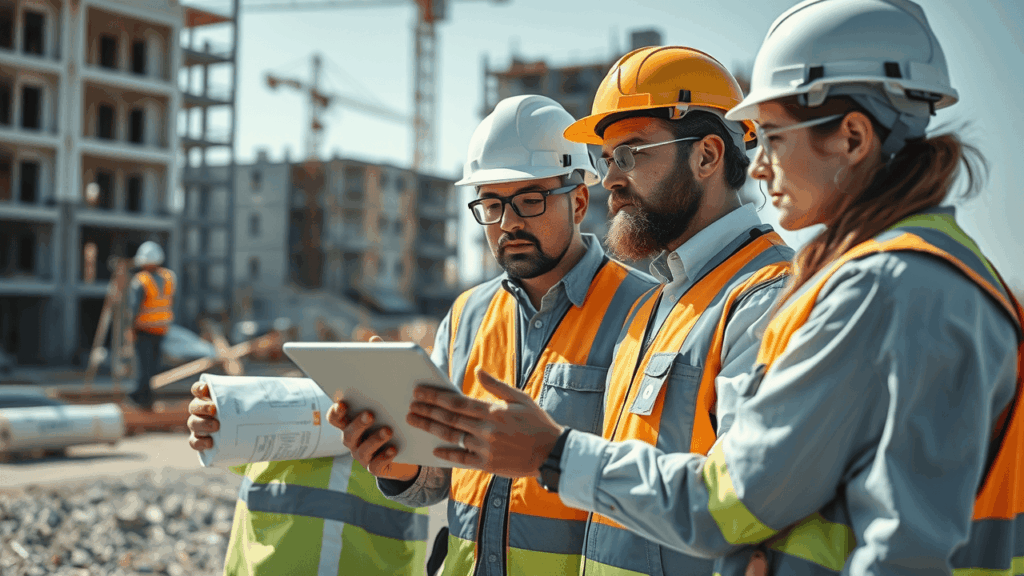
Did you know that 80% of leading construction firms report increased efficiency after adopting 3D reality capture services? This game-changing technology is no longer optional for the AEC industry—it’s the key to delivering faster, more accurate, and more collaborative projects. In this comprehensive guide, you’ll discover why AEC professionals need 3D reality capture services now more than ever and how embracing these innovations will give you the competitive edge your projects demand.
“80% of leading construction firms report increased efficiency after adopting 3D reality capture services.” – Industry Analyst Report

Why AEC Professionals Need 3D Reality Capture Services: A Game Changer for the AEC Industry
Opening Insight: Surprising Statistics on the Growth of Reality Capture Technology in the AEC Industry
The AEC industry is undergoing a digital revolution, and 3D reality capture services are at the heart of this transformation. According to industry research, the adoption of reality capture technology across architecture, engineering, and construction has grown by over 40% year-over-year. This rapid uptake is driven by the need for superior accuracy, reduced rework, and real-time collaboration. Firms leveraging laser scanning and point cloud data are finding themselves able to design, build, and maintain projects with a level of detail and speed unimaginable with traditional methods. As the race to adopt next-generation solutions accelerates, those left behind risk falling out of step with industry leaders. This is the moment to recognize why AEC professionals need 3D reality capture services to keep up with client demands and complex construction workflows.
What You’ll Learn About Why AEC Professionals Need 3D Reality Capture Services
- The fundamental reasons why AEC professionals need 3D reality capture services
- Key benefits of laser scanning and capture technology
- How point cloud data improves construction project workflows
- Impact of reality capture tools on digital twins and BIM
Understanding 3D Reality Capture Services in the AEC Industry
What Are 3D Reality Capture Services and How Do They Work?
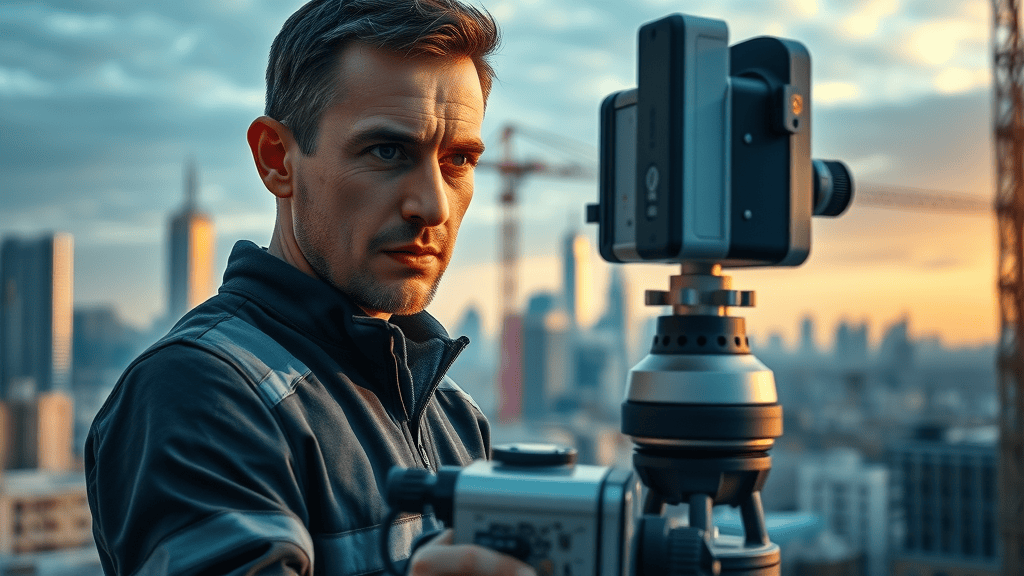
3D reality capture services use advanced technologies like laser scanning, photogrammetry, and lidar to create precise digital models of physical spaces. For AEC professionals, this means transforming existing conditions into highly accurate point clouds and digital twins that serve as the backbone for design, coordination, and construction progress monitoring. Unlike traditional survey methods, which rely on manual measurements and multiple site visits, reality capture technology collects millions of data points in minutes, allowing teams to generate a virtual replica of any site.
The process starts with a skilled technician operating laser scanning equipment on-site, collecting 3D data from every angle. The data is processed into dense, colorized point clouds – offering a level of detail far beyond older surveying tools. These digital models are then shared with project teams, enabling remote collaboration, efficient clash detection, and streamlined workflows. With accurate data at their fingertips, AEC professionals can identify issues early, make informed decisions, and drastically reduce costly rework across a project’s life cycle. The bottom line: reality capture tools empower you to design and construct with confidence and precision.

The Evolution of Laser Scanning and Capture Technology in Construction Projects
The journey from traditional methods to today’s sophisticated capture technologies has been nothing short of revolutionary for the AEC industry. Where past projects relied on hand measurements, photos, and manual record-keeping, modern digital workflows now center around reality capture technology, laser scanning, and high-resolution imaging. This evolution has rapidly improved the speed, safety, and accuracy of documenting physical environments.
Over the last decade, innovations in laser scan sensors, mobile scanning, and drone-based imaging have pushed the limits of what’s possible. AEC professionals can now map out vast construction sites, monitor progress, and track every change with a click. As capture tools have become smaller, faster, and more affordable, even small firms can utilize reality capture data for digital twin creation, detailed documentation, and efficient handovers at project completion. Staying competitive in today’s industry means embracing these tools as essential elements of your construction workflow.
Key Benefits: Why AEC Professionals Need 3D Reality Capture Services
Enhanced Accuracy and Efficiency in AEC Industry Workflows
Accuracy is everything in the fast-paced world of architecture, engineering, and construction. With 3D reality capture services, AEC professionals achieve precise measurement of even the most complex site conditions. Every scan delivers a highly detailed point cloud representation of the physical environment, eliminating the risk of data gaps common with traditional method surveys. The result? Teams save countless hours by minimizing rework, reducing site visits, and ensuring that digital models match real-world conditions from the very start of design all the way through construction progress monitoring.
Integrating reality capture technology into your workflow allows project managers and teams to access up-to-date, accurate data at every stage. This means more effective clash detection, improved quality control, and greater project transparency for stakeholders. In a world where minor errors can lead to expensive delays, reality capture provides the reliable foundation AEC professionals need to deliver projects on time, on budget, and at the highest standard.

Improved Collaboration Through Point Cloud and Reality Capture Tools
Collaboration lies at the heart of successful construction projects. One of the most significant benefits of 3D reality capture services is the way they tear down barriers between office and field teams. By generating and sharing detailed point cloud data, teams can instantly communicate real-world site changes, identify conflicts, and resolve design issues before they impact construction progress. Allowing team members to access the same digital model, no matter their location, boosts coordination and aligns everyone with a single source of truth.
Reality capture tools make virtual meetings, design reviews, and project coordination easier than ever. Teams seamlessly review as-built data, track ongoing developments, and collaborate in real time—drastically improving communication and reducing misunderstandings. The result: fewer change orders, streamlined handoffs, and project delivery that meets (or exceeds) client expectations in the modern AEC industry.
Streamlining Construction Progress Monitoring with Laser Scanning Data
Staying on schedule and within budget is a top priority for every construction project. With reality capture technology, project managers gain the power to closely track construction progress at every stage using verified point cloud data. Routinely scanning the site captures changes as they happen, giving the team an up-to-date record of actual site conditions compared to the planned digital model.
This high-frequency, data-driven approach helps teams quickly identify deviations, mitigate risks, and keep stakeholders informed. When combined with cloud-based collaboration tools, laser scanning data ensures that everyone has access to the latest site information. The outcome is more accurate scheduling, reductions in unforeseen rework, and a more predictable project life cycle—a must-have for any forward-thinking AEC professional.
Critical Role of 3D Reality Capture in Digital Twin Development
Integrating Reality Capture Technology in BIM Projects
Building information modeling (BIM) and digital twin innovations are reshaping the way the AEC industry plans, builds, and maintains infrastructure. Integrating reality capture technology into BIM workflows allows professionals to create digital twins—real-time, data-rich models that reflect every facet of the physical environment. Unlike static drawings or outdated plans, these digital twins update as the site evolves, combining laser scan data and intelligent modeling for next-level project insight.
Reality capture ensures BIM models are accurate, current, and tightly aligned with site conditions. This accuracy reduces coordination errors, making digital twins invaluable for everything from clash detection to maintenance planning. As a result, AEC professionals can make faster, better-informed decisions throughout a construction project’s life span, improving ROI and reducing lifecycle costs for building owners and operators.

Transforming Construction Project Management with Digital Twins
The shift from traditional construction management methods to digital twin-based approaches is revolutionizing the industry. With real-world information captured through reality capture technologies, digital twins provide a living replica of the project—enabling remote monitoring, proactive maintenance, and predictive analytics.
Project managers can track installations, monitor equipment health, and forecast project milestones with unparalleled accuracy. Early detection of inconsistencies or potential clashes is now possible before work even begins on-site, leading to a significantly reduced need for costly corrective actions. For clients, the benefits extend beyond construction, as digital twins support ongoing asset management, retrofits, and optimized facility performance over decades.
Comparison of Traditional Survey Methods vs. 3D Reality Capture Services in the AEC Industry
| Aspect | Traditional Survey Methods | 3D Reality Capture Services |
|---|---|---|
| Accuracy | Prone to human error, less detailed | Highly precise, millions of data points |
| Time Required | Multiple site visits, slow data processing | Rapid data collection, instant model sharing |
| Data Format | Physical notes, 2D drawings | Usable point cloud, 3D digital models |
| Collaboration | Fragmented, communication gaps | Centralized, cloud sharing, seamless team access |
| Project Outcomes | Higher risk of rework/change orders | Reduced errors, improved outcomes |
How to Choose the Right Reality Capture Tools for AEC Professionals
- Assess your project’s requirements
- Evaluate laser scanning and point cloud capabilities
- Look for reality capture technology support & training
- Compare software integrations for digital twin creation
Professional explainer: Watch how 3D reality capture services streamline on-site scanning, data processing, and integration with BIM tools for seamless teamwork.
People Also Ask: Why AEC Professionals Need 3D Reality Capture Services
How does 3D reality capture help the AEC industry?
3D reality capture helps the AEC industry by providing detailed digital models and point cloud data that enhance accuracy, minimize manual errors, and support precise planning. This technology streamlines communication among stakeholders, allows for remote site analysis, and reduces the number of site visits required for validation. Overall, it leads to better decision-making and enables construction projects to be completed efficiently and with fewer costly surprises.
What is the difference between laser scanning and traditional surveying?
Laser scanning uses technology to create a comprehensive digital copy of the environment by capturing millions of data points in a matter of minutes. Traditional surveying, however, is mainly manual, slower, and prone to human error with limited data granularity. With laser scanning, AEC professionals achieve faster, more accurate, and easily shareable results, while traditional methods often struggle to keep up with the complexity of modern construction projects.
How is point cloud data used in construction projects?
Point cloud data is used in construction projects to document real-world site conditions with unmatched precision. This digital representation acts as the foundation for creating digital twins, identifying clashes between design and reality, and monitoring construction progress. Engineers can overlay point cloud data on BIM models to visualize changes over time, track installations, and ensure installations match design specifications throughout the project’s life cycle.
Real-World Applications: Laser Scan and Reality Capture in Action
Case Study: Revolutionizing a Commercial Construction Project with 3D Reality Capture Services
A major commercial office build in a bustling downtown district demonstrates the transformative impact of 3D reality capture services. At the project’s onset, the team used laser scanning to document every corner of the existing site, producing a comprehensive point cloud used by architects, engineers, and contractors for design, planning, and coordination. This eliminated the need for repeated site visits and minimized the risk of costly surprises down the line.
During construction, regular scans tracked progress and flagged deviations from the original plans in real-time. Clashes were resolved virtually before any material was wasted, and updated digital models were instantly shared with the entire project team. The result: delivery ahead of schedule, a significant reduction in change orders, and a highly satisfied client—showcasing why AEC professionals need 3D reality capture services to stay competitive in today’s fast-moving industry.
Expert Insight: Tips for Maximizing AEC Project Success Using Reality Capture Tools
To get the most out of reality capture tools, integrate scanning early in the project, and schedule regular updates to maintain accuracy. Train your team to use the software and collaborate in a cloud-based environment, so everyone has access to the latest data. Select flexible capture technologies that support your preferred BIM tools for seamless digital twin development and long-term asset management.
“Integrating reality capture early leads to a 30% reduction in change orders and rework for construction projects.” – Senior Project Manager
Key Takeaways: Why AEC Professionals Need 3D Reality Capture Services
- 3D reality capture services are transforming the AEC industry
- Laser scanning and point cloud data provide unmatched accuracy
- Reality capture technology supports digital twin developments
- Choosing the right tools can give AEC professionals a competitive edge
FAQs: Everything AEC Professionals Need to Know About 3D Reality Capture Services
What industries can benefit from 3D reality capture?
Industries such as architecture, construction, engineering, facility management, industrial plants, and even entertainment and heritage preservation benefit from reality capture technology due to its ability to document and model real-world environments accurately.
How much does it cost to implement reality capture technology?
The cost varies by project size, the complexity of the site, and type of equipment/software. Small scans may cost a few thousand dollars, while large commercial projects can range higher. However, the investment pays off through reduced rework and faster project completion.
Are 3D reality capture services compatible with all BIM tools?
Most reality capture tools export data formats that integrate with leading BIM software. Always verify compatibility with your preferred digital twin or BIM platforms when selecting a provider or technology.
Is training required to use capture tools effectively?
Yes, although capture technologies are increasingly user-friendly, training is recommended to ensure teams use equipment and software optimally and maximize project benefits.
Conclusion: Embracing 3D Reality Capture Is Essential for Modern AEC Professionals
By adopting 3D reality capture services, AEC professionals position themselves at the forefront of efficiency, collaboration, and innovation—delivering unmatched outcomes for every project.

Take the Next Step: Contact Us to Learn More About 3D Reality Capture Services
Call Us At: (352) 448-1967 Or Email Us: [email protected]