Did you know that homes listed with 3D virtual tours get up to 87% more views than those without? In today’s fast-paced real estate market, standing out is essential. 3D virtual tours are not just a trend—they’re a game-changing, powerful tool that’s setting a new standard in real estate marketing. If you’re eager to give both potential and prospective buyers an immersive experience, boost engagement, and close deals faster, it’s time to explore properties in a brand-new way. This comprehensive guide will show you why and how to harness the power of 3D virtual tours in real estate marketing—and unlock exciting results for your next estate listing.
The Power of 3D Virtual Tours in Real Estate Marketing: A Transformative Force
“According to recent industry reports, homes listed with 3D virtual tours receive up to 87% more views than those without.” – National Association of Realtors
The advent of 3D virtual tours marks a revolutionary shift in the real estate industry, offering an engaging way for buyers to explore properties online. Unlike static images or traditional photo galleries, virtual tours provide an interactive walkthrough, giving users an authentic sense of the home’s layout, flow, and ambiance. This immersive experience elevates real estate listings and dramatically increases potential buyers’ engagement, allowing buyers to explore properties from the comfort of their own homes—saving both time and resources for buyers and sellers alike.
For estate agents and marketers, integrating virtual tours into their advertising strategy not only boosts listing visibility but establishes them as innovative leaders in a crowded marketplace. As more buyers shift to online-first searches, the power of 3D virtual tours in real estate marketing becomes a non-negotiable advantage for anyone aiming to deliver a memorable first impression and convert more leads. This transformative technology also streamlines the selection process, enabling estate agents to focus efforts on genuinely interested prospective buyers and expedite deal closures.
Why the Power of 3D Virtual Tours in Real Estate Marketing Is Disrupting the Industry
The popularity of 3D virtual tours is disrupting traditional real estate marketing by bridging the gap between online search and real-world visits. These tours offer potential buyers the chance to experience every detail of a property in high definition, fostering greater confidence and a sense of connection before ever stepping foot onsite. In the estate market, this level of transparency ensures that only the most engaged and qualified buyers book in-person showings—translating to less wasted time and more serious negotiations.
Additionally, virtual tours open the market to out-of-town and international buyers, expanding an agent’s reach far beyond local borders. With travel becoming a challenge for many, the ability for buyers to explore properties remotely is more valuable than ever. By leveraging virtual reality and 360-degree experiences, estate agents position their listings as modern, tech-forward, and accessible, harnessing the full power of digital marketing for today’s property landscape.

What You’ll Learn: Maximizing the Power of 3D Virtual Tours in Real Estate
- The fundamentals of 3D virtual tours and how they fit into real estate marketing
- Step-by-step guidance for implementing virtual tours
- How virtual reality is creating an immersive experience for potential buyers
- Ways to gain a competitive edge and stand out in the estate market
- Real-world success stories and expert tips
Understanding 3D Virtual Tours in Real Estate
To fully appreciate the impact of the power of 3D virtual tours in real estate marketing, it’s important to understand their core elements. These tours are more than just digital floor plans; they’re comprehensive, interactive experiences designed to simulate an actual property walk-through. Unlike traditional marketing that confines buyers to flat images or basic video walkthroughs, 3D virtual tours offer dynamic navigation, clickable hotspots, and sometimes even augmented reality overlays that provide additional information.
As real estate listings become increasingly digital-first, virtual tours have evolved into a must-have for agents seeking to attract attention and convert online interest into serious inquiries. Whether used for residential, commercial, or luxury properties, these tours provide a competitive edge by allowing potential buyers to experience the property as if they were physically present—helping them envision their life there, ask informed questions, and move faster in the buying process.
What Are 3D Virtual Tours and How Do They Work in Real Estate Marketing?
3D virtual tours are high-tech, interactive visualizations that give users full control over their online home tour experience. Built from 360-degree photography, laser scans, and digital modeling, these tours allow buyers and sellers to navigate properties room by room, zoom in on details, and get a real sense of space and flow. Typically hosted on listing sites, agency pages, or even social media, these immersive experiences allow estate agents to showcase every inch of a property—letting potential buyers thoroughly evaluate options without needing an in-person visit.
The process of creating a virtual tour usually begins with professional photography or 3D scanning, followed by editing and layering interactive elements such as information hotspots or guided narration. When seamlessly integrated into real estate marketing, these tours offer round-the-clock open house capabilities, ensuring your listing is always available for viewing and helping to build trust with buyers. With more buyers demanding interactive, transparent experiences, adopting 3D virtual tours is fast becoming the standard for modern estate marketing.

The Technology Behind Virtual Tours: VR, AR, and 360 Photography
The backbone of 3D virtual tours lies in an innovative blend of technologies. 360-degree cameras capture high-definition panoramas; photogrammetry and LiDAR scanning generate accurate spatial data; and advanced software platforms, both on desktop and mobile, stitch visuals together into a navigable, web-based environment. Virtual reality (VR) and augmented reality (AR) layers may also be incorporated, allowing users with compatible devices to don headsets or use smartphones for a fully immersive walkthrough. These technology advances ensure that virtual tours are not only stunning to view, but also incredibly lifelike.
For real estate agents, leveraging this technology means delivering a cutting-edge experience that appeals to tech-savvy buyers in a rapidly changing estate market. Virtual tours can include guided walkthroughs, multimedia overlays, and floor plan navigation—all of which make complex properties easier to understand. With continued advances in hardware and user-friendly editing platforms, 3D tours are more accessible and affordable than ever, fitting seamlessly into both boutique and large-scale real estate marketing strategies.
How Virtual Tours Offer an Immersive Experience to Potential Buyers
The true magic of the power of 3D virtual tours in real estate marketing lies in the immersive experience they create for potential and prospective buyers. These tours engage users in ways that static images or basic videos cannot. Prospective buyers can control their journey, pausing to examine features of interest—like kitchen appliances, bathroom finishes, or unique architectural details—at their own pace. For international or out-of-town buyers, this means making well-informed, confident decisions from anywhere in the world.
Immersive tours also create an emotional connection that traditional media fails to ignite. When buyers feel like they’re already walking through their future home, it accelerates decision-making and strengthens attachment to the property. For agents, this translates to fewer wasted showings, better-qualified leads, and a much higher conversion rate. Virtual tours provide a powerful bridge between online browsing and real-world action—one that every estate listing can benefit from.
Benefits of the Power of 3D Virtual Tours in Real Estate Marketing
Integrating 3D virtual tours into your real estate marketing unlocks a suite of powerful advantages for sellers, buyers, and agents alike. One of the most immediate benefits is enhanced listing engagement. Listings featuring interactive tours consistently outperform those with only static images, attracting a broader pool of potential buyers and encouraging longer viewing times. This not only boosts a property’s online visibility, but also delivers a competitive edge in today’s crowded estate market.
Virtual tours also save time and resources for all parties involved. They enable buyers to explore properties more thoroughly online, reducing the number of necessary in-person visits. For estate agents, this means working with more serious, better-informed clients, streamlining the sales process and allowing them to focus on converting promising leads. Finally, embracing this technology signals to clients that an agent is innovative, resourceful, and committed to delivering a superior service standard.
Enhancing Real Estate Listings and Engaging the Modern Estate Market
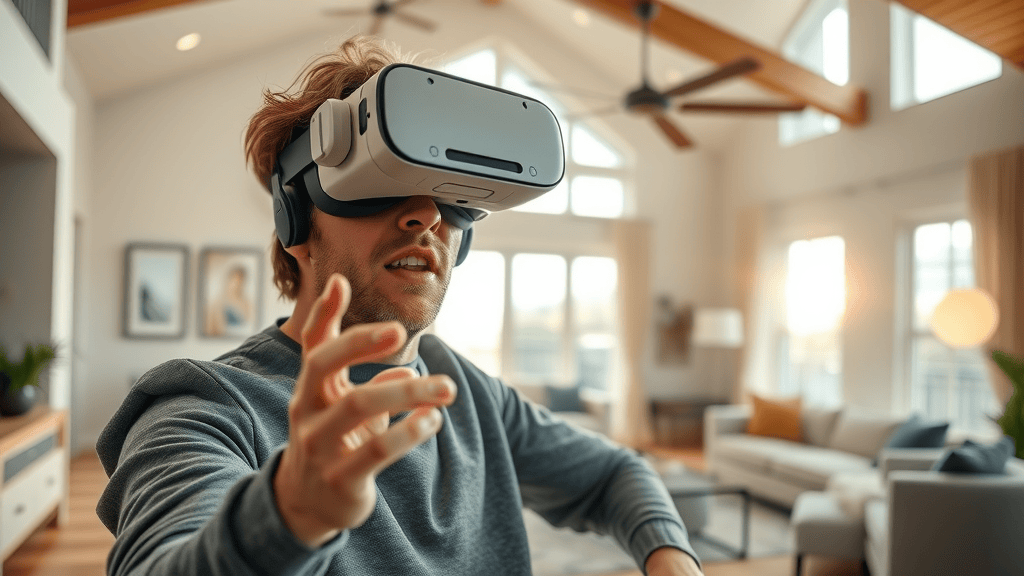
Today’s real estate listings demand more than professional photography—they require interactivity. 3D virtual tours empower listings with detail and dimension that grab attention instantly. By allowing viewers to “walk” through spaces, zoom in on finishes, and discover special features, each virtual tour transforms a property from a static commodity into a compelling story. Higher engagement means more time spent on your listing platform, translating into greater brand exposure for agents and sharper differentiation in the estate market.
The modern homebuyer is tech-literate and expects digital convenience. Virtual reality tours not only meet these expectations, but also delight with their innovative presentation. As clients increasingly shop for homes online, these immersive tours serve as a key decision-making tool—one that moves listings from “maybe” to “must see” in a matter of minutes. These benefits extend across the spectrum: whether for entry-level homes, luxury properties, or commercial spaces, interactive tours are setting a new standard for real estate marketing success.
How 3D Virtual Tours Attract Potential Buyers and Streamline the Buying Process
One of the biggest challenges in real estate is pre-qualifying clients and convincing serious prospective buyers to move forward. 3D virtual tours draw in potential buyers with engaging, transparent content that allows them to fully assess if a property fits their needs. For buyers, this answers many questions upfront, reducing uncertainty and building trust—especially for long-distance or relocating clients. As a result, showings become more targeted, and transactions progress faster with well-informed buyers.
In turn, estate agents save significant time and resources by focusing only on the most interested prospects. The buying process becomes more streamlined: fewer “just browsing” appointments, more serious offers, and faster deal closures. And because virtual tours provide a better initial screening tool, they also help limit disruptions for sellers, who no longer need to accommodate frequent walk-throughs. Ultimately, adopting the power of 3D virtual tours in real estate marketing streamlines buying and selling for everyone involved.
Case Study: Gaining a Competitive Edge with Virtual Tours in the Estate Market
“Virtual tours changed the way we list properties. Our online inquiries increased by 60%.” — Top Estate Agent
A leading brokerage firm decided to include a 3D virtual tour with every estate listing, regardless of property price. The result? Their average listing views doubled within three months. The flexible, interactive nature of these tours attracted buyers from other cities and even abroad. In several cases, buyers made offers sight unseen, relying solely on the immersive experience to guide their buying decisions. This rapid embrace of new technology gave the firm a strong competitive edge and transformed their reputation in the estate market, as they became known for offering premium, client-focused service.
For agents and sellers, the key takeaway is clear: integrating virtual tours isn’t just about keeping pace with the competition—it’s about leading the market and setting new benchmarks. As more buyers demand interactive experiences, those who invest early reap the rewards of higher engagement, faster sales, and greater client loyalty.
How to Create Effective 3D Virtual Tours for Real Estate Marketing
Crafting a 3D virtual tour that stands out is both an art and a science. The key lies in presenting the space authentically while maximizing user engagement. Agents should start by ensuring the property is clean, staged, and well-lit. High-quality equipment—like 360-degree cameras or professional VR services—captures every detail. Next comes editing, where specialized software enables smooth navigation, interactive elements, and maybe even background sound or narration to enhance the experience. Finally, tours must be easy to access and share, whether through agency websites, real estate platforms, or social media.
The benefits are clear, but the creation process shouldn’t be underestimated. Agents who work with experienced vendors—or who invest in learning the latest DIY tools—will be rewarded with successful tours that convert prospective buyers and elevate their brand’s reputation. A well-executed home tour not only enhances a listing, but signals to clients that their property will receive the most advanced marketing treatment available.
Key Components of Highly Engaging Real Estate Virtual Tours

The foundation of a successful real estate virtual tour rests on several key elements. First, crystal-clear high-resolution imagery is a must—it forms the basis of a visually compelling tour. Next, seamless navigation lets potential buyers move effortlessly from room to room, zoom in on features, and get an authentic feel for scale. Interactive hotspots, floor plans, and descriptive pop-ups provide valuable context, turning the tour into an information-rich experience.
Another critical component is emotional storytelling: highlight unique selling points, showcase upgrades, and create a sense of lifestyle that buyers can imagine themselves embracing. Effective tours are not only technically impressive, but emotionally resonant, prompting viewers to take the next step. When paired with a friendly user interface, mobile accessibility, and fast load times, these components converge to deliver a highly engaging and shareable home tour that drives results.
Step-by-Step Guide: Building a Home Tour That Converts Prospective Buyers
Creating a standout 3D virtual home tour starts with careful planning. Begin by choosing the right technology for your property, whether it’s a user-friendly 360 camera or a full-service professional VR provider. Next, prepare the property—declutter, illuminate each space, and stage areas to show off their best features. After capturing the visuals, use virtual tour software to assemble the walkthrough, adding interactivity like pop-up details, links to neighborhood amenities, or even video introductions.
Before going live, preview the tour with colleagues or trusted friends for feedback. Once perfected, launch the tour across every channel available—listings, emails, and especially social media. Monitor engagement data to see what’s working and refine your approach for future properties. Remember: a little extra effort in the creation stage goes a long way in capturing prospective buyers’ attention and accelerating sales cycles.
| Technology | Purpose | Ease of Use | Recommended For |
|---|---|---|---|
| 360 Cameras | Captures high-resolution panoramic images | Easy | Small and medium properties |
| Professional VR Services | Create fully immersive experience | Moderate | Luxury real estate |
| DIY Software | Enables agents to produce tours | Easy – Moderate | General use |
Integrating 3D Virtual Tours Into Real Estate Listings and Marketing Strategies

For maximum impact, 3D virtual tours must be thoughtfully integrated into your overall real estate marketing approach. Add them to every online listing, highlight their availability in print ads, and make sure your agency’s website features seamless tour access from every property page. Email marketing and social media posts are powerful platforms for tour promotion; video teasers or virtual open house events can further amplify reach and engagement.
Effective integration doesn’t end with publishing. Use engagement analytics to track viewer behavior: which features do visitors linger on, which parts of the tour prompt the most inquiries, and what feedback do buyers share? Armed with these insights, you can refine your marketing tactics, continually improving your digital estate listings for even greater exposure and lead conversion.
Optimizing Real Estate Listings with Virtual Tours for Maximum Exposure
Featuring virtual tours prominently in every estate listing guarantees wider reach and improved listing performance. Search engines and major listing portals often prioritize interactive content—giving your property a boost in online rankings and ensuring it’s shown to buyers actively searching in the estate market. Make your tours easy to access, with clear calls to action and prominent placement on property pages.
Testimonials, case studies, and social proof can further enhance credibility, making it easier to convert curious browsers into committed buyers. Don’t forget to update tours when significant changes are made to the property, ensuring your online presentation always reflects reality. By consistently optimizing your listings, you ensure your investment in 3D virtual tours pays off with tangible results.
Leveraging Virtual Reality to Enhance Estate Marketing and Reach More Potential Buyers
Virtual reality (VR) isn’t just a high-end luxury; it’s increasingly mainstream in real estate marketing. By offering a fully immersive experience, VR tours attract buyers who expect innovative solutions and convenience. Real estate agents can host virtual open houses, send direct invites to VR-enabled tours, or create shareable content for social media. This strategy expands the potential audience, especially for buyers who can’t visit in person.
With VR, geographic barriers fade away. Overseas investors, relocating professionals, and time-poor local buyers all appreciate the flexibility that VR tours provide. For agents and sellers, it means exposing properties to more prospects, garnering stronger offers, and reducing the time a listing spends on the market—key advantages in a fast-moving estate industry.
Best Practices for Real Estate Agents: From Listings to Social Media
- Add virtual tours to every estate listing and online real estate directory
- Include virtual tours in marketing emails and social campaigns
- Host live walkthroughs to engage remote prospective buyers
- Measure engagement data to refine your strategy
Mastering these best practices ensures your estate marketing efforts stand out. Agents should also train support staff on leveraging 3D tours when fielding buyer inquiries. By actively promoting and using virtual tours at every touchpoint, you’ll reinforce your reputation as a market leader and enjoy a steady stream of highly qualified leads.
3D Virtual Tours: Delivering a Competitive Edge in the Estate Market
Gaining and maintaining a competitive edge is crucial in today’s dynamic estate market. As more listings saturate platforms, only the most engaging and accessible properties consistently rise to the top—and 3D virtual tours are often the deciding factor. These tours provide the rich context and sense of presence buyers crave, translating to higher likelihoods of both inquiry and offer.
For real estate agents, adopting virtual tours isn’t just about keeping pace with trends—it’s about offering undeniable value to sellers and exceeding buyer expectations. This proactive approach pays dividends in reputation, sales velocity, and client satisfaction, cementing your agency’s position as an industry innovator.
Standing Out in a Crowded Estate Market with Virtual Tours
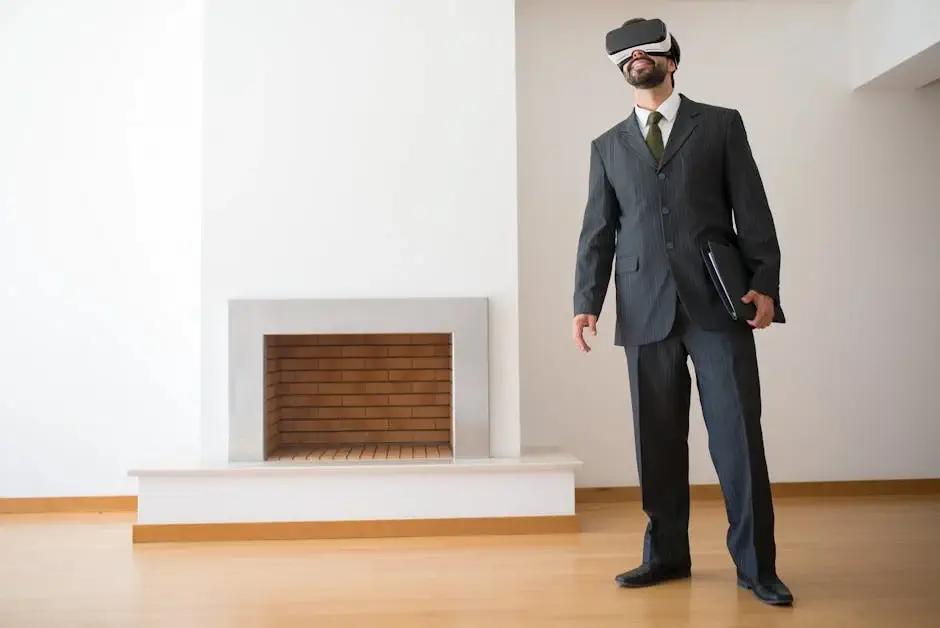
A static web page with a handful of photos simply can’t compete with the engagement of a dynamic, interactive 3D virtual tour. When all else appears equal—price, location, even square footage—a property that “comes alive” online captures attention and drives action far more quickly. In markets with many similar listings, this can be the difference between “just another house” and “the one” for potential buyers.
Buyers expect innovation, accessibility, and convenience from modern estate listings. By raising the bar with immersive tours, you create memorable, standout property experiences that resonate long after viewers leave your site. This positions you not just as a competent agent, but as a true market leader.
How Real Estate Agents Use 3D Virtual Tours to Win Listings
“Listing with 3D virtual tours is now a standard in our brokerage for gaining a competitive edge.” – Brokerage Owner
Top-performing real estate agents are leveraging virtual tours as their signature value proposition when pitching to sellers. When a homeowner compares two agents—one with cutting-edge, interactive marketing and the other with outdated tactics—the choice becomes clear. Offering 3D virtual tours demonstrates a deep commitment to maximizing property exposure and achieving the best possible sale price for the client.
For luxury, commercial, or unique properties, the benefit is even more pronounced, as these spaces often require more than words or photos to communicate their full potential. In competitive listing presentations, the ability to showcase the power of 3D virtual tours in real estate marketing is a crucial differentiator—one that wins listings, builds trust, and fuels long-term success.
The Future of 3D Virtual Tours and Virtual Reality in Real Estate Marketing
The landscape of real estate marketing is rapidly changing, with virtual reality and 3D tours at the forefront. Innovations in hardware, AI-driven enhancements, and new software platforms are making immersive property experiences even more compelling. As these technologies become mainstream, buyers will come to expect them in every listing, pushing agents to continuously adapt and innovate.
The future holds exciting possibilities: touring multiple homes with friends via VR avatars, customizing spaces virtually before purchase, or overlaying property data in real-time during a virtual walk-through. Early adopters of these tools will enjoy growing demand and stronger client relationships as the digital transformation of real estate accelerates.
Upcoming Trends in Virtual Tour Technology and Virtual Reality

Several emerging trends are poised to redefine the power of 3D virtual tours in real estate marketing. AI-powered virtual staging is becoming more sophisticated, enabling instant customization of interiors to match buyer preferences. Live co-browsing allows remote families, friends, or agents to tour homes together while chatting in real-time. Augmented reality overlays will soon visualize renovation potential, helping buyers reimagine spaces instantly.
Also, expect seamless integration of tour analytics with CRM tools—empowering agents to follow up intelligently with the hottest leads. As headsets become more affordable and user-friendly, full VR open houses and multi-property “shopping days” will become commonplace, further narrowing the gap between browsing and buying.
The Evolving Expectations of Potential Buyers and Prospective Buyers
Today’s potential buyers and prospective buyers are sophisticated and digitally savvy. They expect on-demand, high-quality property access that goes beyond photos and text descriptions. As immersive, interactive experiences become the standard, listings without them simply get passed over. Real estate agents must be ready not just to deliver tours but also to guide and educate clients about their benefits.
By understanding and anticipating changing buyer preferences, agents and sellers can stay ahead of the estate market curve. This commitment to innovation and client service will not only lead to more closed deals, but also foster strong word-of-mouth referrals, future-proofing success in a technology-driven industry.
People Also Ask: The Power of 3D Virtual Tours in Real Estate Marketing
How do 3D virtual tours help real estate agents?
3D virtual tours help real estate agents save time, attract more serious prospective buyers, and stand out in the competitive estate market. By providing an immersive and interactive experience, these tours allow agents to showcase properties to a wider audience—including out-of-town or international buyers. Virtual tours streamline the viewing process and help agents pre-qualify leads, ensuring that in-person showings are reserved for genuinely interested buyers, thus maximizing resources and time.
Are 3D virtual tours effective for all types of real estate listings?
Absolutely—the power of 3D virtual tours in real estate marketing extends to nearly every property type, from starter homes to luxury estates and commercial spaces. Virtual tours can be customized to highlight the unique features of any estate listing, providing detailed access regardless of property size. For commercial listings, they help prospective buyers and tenants visualize layout and suitability, while in residential sales, they create emotional engagement that boosts inquiry rates and accelerates decision-making.
What is the cost-benefit for real estate marketing using virtual tours?
Investing in virtual tours is cost-effective compared to the potential returns. Listings with 3D tours attract more views, fewer unnecessary showings, and close faster than those relying solely on traditional marketing. Additionally, using virtual tour technology enhances an agent’s professional image and builds trust with both buyers and sellers. Over time, the initial investment pays off through increased sales velocity, fewer wasted resources, and happier clients.
How do virtual tours impact potential buyers’ decisions?
Virtual tours offer potential buyers control, convenience, and an authentic sense of a property before visiting in person. By providing an immersive, interactive experience, buyers develop a stronger connection to the listing and are more likely to take action. This transparency builds trust, reduces hesitation, and ultimately leads to quicker, more informed buying decisions—a major advantage in any estate market.
What technology do you need to create a real estate virtual tour?
To create an effective real estate virtual tour, agents need a 360-degree camera or similar professional photography equipment, virtual tour software (many available as easy-to-use apps or platforms), and a device for editing and uploading the finished product. For more advanced tours with added interactivity or VR, professional services or DIY solutions with customizable features are also available. The key is to match the technology with the needs of your specific property and target market.
How do virtual tours provide an immersive experience for the estate market?
Virtual tours provide an immersive experience by allowing viewers to move through a property as they choose, zooming in on details and exploring every angle. These tours incorporate interactive elements, multimedia overlays, and sometimes even sound or video narration to deepen engagement. For buyers in the estate market, this means a more realistic, memorable experience that fosters trust and speeds up decision-making.
Can virtual reality make a difference in luxury real estate marketing?
Yes, virtual reality is a game-changer in luxury real estate. High-end buyers expect premium, personalized service and are often located around the world. VR-enabled tours allow them to experience every detail of a property remotely, making it possible to fall in love with (and commit to) listings without visiting in person. This enhances exclusivity, convenience, and differentiation—key elements in high-value estate marketing.
FAQs: The Power of 3D Virtual Tours in Real Estate Marketing
How long does it take to create a virtual tour?
Most standard tours take a few hours to shoot and another day or two for editing and publishing, depending on property size.
What are the main advantages of using 3D virtual tours over traditional photography?
Immersion, interactivity, and higher engagement—they create a realistic walkthrough that still photos can’t match.
Are there privacy concerns with virtual tours in real estate?
Yes, agents and sellers should ensure that personal items and sensitive information are removed before filming to protect privacy.
Can 3D virtual tours help sell homes faster?
Absolutely. Listings with virtual tours receive more inquiries and often convert faster than those without.
Do virtual tours work for commercial real estate listings?
Yes, they are increasingly popular in commercial real estate for showcasing layout, accessibility, and unique amenities to business buyers.
Key Takeaways: Using the Power of 3D Virtual Tours in Real Estate Marketing
- 3D virtual tours set your real estate listings apart in a competitive market.
- Virtual tours provide an immersive experience, increasing engagement with potential and prospective buyers.
- Adopting 3D virtual tours is crucial for modern estate agents aiming for innovation and efficiency.
- Virtual reality technology continues to expand in real estate marketing strategies.
- Integrating virtual tours helps convert more leads and close properties faster.
Conclusion: Leverage the Power of 3D Virtual Tours in Your Real Estate Marketing Strategy Today
The Transformative Impact of the Power of 3D Virtual Tours in Real Estate Marketing
Adopting the power of 3D virtual tours in real estate marketing gives agents and sellers the ultimate competitive advantage—higher engagement, faster sales, and delighted clients.
Next Steps for Real Estate Professionals Adopting Virtual Tours
Don’t let your next listing blend into the background. Start using virtual tours to highlight your properties’ unique value and deliver the immersive experiences buyers expect.
Call to Action: Ready to Unlock the Power of 3D Virtual Tours in Real Estate Marketing?
Call Us At: (352) 448-1967 Or Email Us: [email protected]